The following is a distillation of what I found when I went looking for credible information on the best practices of taking advantage of beneficial microbes in hydroponics. There’s a distinct lack of research specific to hydroponics and little enough on beneficial microbes in practical situations.
However, for all that some of the details are vague, it’s clear that (1) there are important benefits, (2) routine sterilization invites pathogens to flourish and (3) there are logical workflows to establishing and maintaining a healthy microbial root-oriented community. Frankly, is had brought me a sea change and a new and embarrassingly slow to arrive view of how to operate. I know I became accustomed to thinking only about soil microbes becoming redundant because we in hydroponics don’t depend on them to convert compounds for plant use. But there’s a whole other world being supported, and plants and the symbiotic and even selfishly beneficial microbes they host have to be viewed, I think, as intimately integrated growing units, just as they are in soil.
Sterile systems are not automatically a good thing. Pathogens still threaten, and a sterile system is like open house. Our nutrient solutions can grow many pathogens. And in most of our systems, circulating nutrient will carry any pathogen to all the plants in that system. Additionally, because we try to run closed systems, any toxins from the pathogens remain unaffected and circulating.
The most common pathogens found in hydroponic systems are Fusarium, Phytophthora and Pythium. Pythium are root pathogens spread in water that cause root rot. Pythium varieties affect different plants. Fusarium causes wilt and root diseases, for instance root rot in basil, lettuce and tomato.
There are technical and chemical strategies to deal with those, but they are expensive and can offer unpleasant things like fungicide toxicity. They may also kill off beneficial bacteria.
The following is intended to be merely an orientation to the subject. That’s because an orientation is about all one can deliver without making statements with more confidence than is justified. We have some principles. But we are a long way from knowing everything and in hydroponics, a very long way from a comprehensive grasp of practical best practices.
The science of applying beneficial microbes is complex. It is often over-simplified by those marketing the microbes as beneficial. And much of what they claim may be derived from soil-based research, and a soil environment is very different from a hydroponic environment in many ways. And makers are prone to jumping on soil studies that are not necessarily replicable, even in other soil studies. And there is always the difference between what happens in the lab and the real world. They take advantage of the fact the most people do not understand what academic studies are intended to do. They are not intended to deliver the last word in actual practice. They mostly merely point the way to the next study.
But we do have beneficial bacteria to call on. And by beneficial, I mean useful both to control pathogens and to actually enhance plant growth. One thing we have on our side is that beneficial bacteria work well to control disease in controlled environments like hydroponic systems.
First, the enemies:
Phytophthora - Want a villain? This one’s very name means “plant destroyer.” It’s a water mold, a fungus-like organism, and very aggressive. Infected plants cannot feed.
Fusaium oxysporum - Everyone’s favorite fungus bad guy, even when he’s wrongly accused. A very common soil fungus. Fusarium wilt is almost a generic term, even when it’s not caused by Fusarium. Bad all around for plants, causing chlorosis (loss of color), leaf drop, stunting, etc. The wilt happens when the plants response closes off water transport channels.
Pythium - We know this guy. Along with Fusarium, one of the root rot gang. An opportunistic fungus-like pathogen, looking for a plant weakened and stressed by any environmental condition, including poor aeration. He’s also the villain in what is known as damping off in seedlings. He’s one of the reasons we try to keep soil out of our systems. His spores live in soil and so can be carried on shoes, hands and clothing.
Beneficial microbes may have one or more mechanism of controlling pathogens. As a parasite on a pathogenic microbe, the beneficial microbe hits a target pathogen by breaking into the cell wall of the pathogen. A beneficial microbe may share an ecological niche with a pathogen and compete successfully with it for resources. A beneficial microbe may produce a substance that is a toxin for other microbes. One beneficial microbe may produce toxins effective against different fungal pathogens. Still others induce in plants resistance to heat, frost, drought of salt, as well as resistance to pathogens.
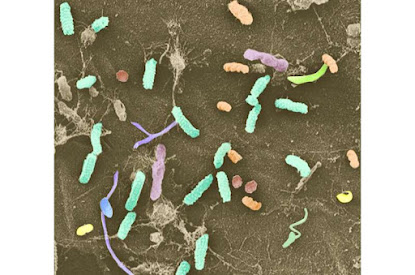
The following are some beneficial bacteria. Bacteria set up symbiotic relationships with plants. Both the bacteria and the plant gain benefit. The bacteria may produce enzymes and antibiotics that control pathogens. They and the plants happen to have a common enemy. The antibiotics are both toxins for the pathogens and induce defense mechanisms in the host plant. The enzymes attack the cell wall of the pathogen, which gives the toxins better access. All those long years of plant evolution alongside microbes have taught both how to cooperate.
The good guys:
Pseudomonas, which include various species of gram-negative bacteria, are hosted by bean, carnation, chickpea, cucumber, lettuce, peppers, potato, radish, and tomato.
Bacillus, gram-positive rod-shaped bacteria of the species amyloliquefaciens, cereus, subtilis, and thuringiensis are hosted by carrot, chrysanthemum, cucumber, lettuce, pepper, and tomato. Amyloliquefaciens, is the inoculant in Botanicare Hydroguard.
Enterobacter, species Aerogenes, is hosted by cucumber
Streptomyces, species Griseoviridis is hosted by Cucumber and tomato
A beneficial fungus, Gliocladium, species catenulatum, is hosted by cucumber and tomato
Trichoderma, species Asperellum, atroviride, harzianum and virens are hosted by bean, cotton, cucumber, maize and rice, among others. This is a fungus common in root systems and is a parasite on other fungi. So far, no fungi we desired to control was not subject to control by Trichoderma. Trichoderma have another trick. It can penetrate the cell walls of the root system where the plant triggers an immune response to wall off the fungus to prevent it getting any further. And this becomes a natural defense against pathogenic fungi. In exchange. Trichoderma gets exclusive fungal use of food from the plant. Trichoderma do best in healthy roots, so they act to maintain and encourage root health. Some strains of Trichoderma improve uptake of several nutrients.
They each have their ways.
Tricoderma harzianum controls Fusarium, Pythjium and Rhizoctonia.
Ampelomyces quisqualis is a vicious parasite on powdery mildew.
Bacillussubtillis produces antifungals effective against several pathogenic fungi.
Pseudomonus cepacea inhibits a wide range of fungals.
Pseudomonas putida and Trichoderma atroviride promote reproductive growth in tomato plants in hydroponic systems.
Some are classed as Plant Growth Promoting Bacteria (PGPB) and can produce plant growth regulators, iron chelating compounds, and antibiotics.
We have kind of given fungi a bad name. But those above are beneficial. Plants can nurture mycorrhiza (fungus-root) by providing it with carbons, sugars, created in the leaves of the plants and moved down to the fungi via the roots. The fungi in turn transfer nutrient to the plant. It is a classic symbiotic relationship requiring a favorable environment. Both members, plants and microbes, work to maintain that environment – if we let them.
These fungi are known as Arbuscular Mycorrhizal Fungi (AMF). AM fungi can increase the uptake of the less soluble phosphorus sources by converting them to bioavailable phosphorus. AM fungi also acquire nitrogen. There are other functions still being discovered. AMF colonies take weeks to mature, 70 to 80 days in NFT systems. So AMF is not a good solution for short-life crops.
But they are often pitched as always useful when their usefulness depends on situations that simply may not exist in the individual hydroponic system. Don’t take every sales pitch as gospel.
In any non-sterile system, pathogens are usually out-numbered by harmless organisms. But not all harmless bacteria are efficient at overpowering harmful pathogens. We have to choose carefully which beasties we want to promote. But the benefits can be great.
Bacillus subtilis, a Gram-positive bacterium, is well known as a plant growth enhancer with the ability to decrease high salinity concentrations of water or nutrient solution. Bacillus amyloliquefaciens was shown to increase efficiency of water use in tomatoes. Pseudomonas spp. (spp meaning multiple species) show antagonistic and antifungal activity against Fusarium graminearum and prevent root rot, whereas treatment of hydroponically grown tomatoes, cucumbers, lettuce, and potatoes bring about increased root and shoot weight and reduce root rot. P. chlororaphis on peppers in a hydroponic system was effective in suppressing infection of P. aphanidermatum and P. dissotocum and in controlling root rot. S. griseoviridis produces its own fungicides and is effective in reducing plant diseases caused by Rhizoctonia solani (collar rot), Verticillium spp. (verticillium wilt) and Fusarium spp. (root rot) in cucumbers and tomatoes.
For beneficial bacteria to thrive in a hydroponic environment, they need ideal conditions. Most hydroponic nutrient sets lack the organic carbon sources bacteria need. One of the best sources of what they need is molasses. Not only does it contain the needed sugars, it provides micronutrients for the bacteria. Kelp and fish products also contribute to the bacteria. Some microbe products include it.
Some products have been tested and are government registered. But most have not. Preparation of commercial products is difficult and involved. Studies of quality have sometimes been alarming. Between 2013 and 2015, lab tests at the Oregon Department of Agriculture on some purported beneficial bacteria and fungi products sold in hydroponics outlets found that beneficial microbes claimed to be providing “Not Detected”. One report characterized a number of popular products from more than one famous maker claiming to provide beneficials to be essentially very expensive bottled water.
They reported findings in 2016 when they were the only program in the U.S. investigating claims for microbiological products. Of 51 products, only nine met their claims. Of 14 tested for Trichoderms, none proved to meet their claims. When they tested for products with mycorrhizal fungi, an important root partner, of 17 products, only three satisfied their label claims.
One product selling for $87.50 per liter had any microbes. They could not determine if there was fraud or simply mishandling. The makers are still learning, too. We have to assume they are and testing today might come out differently from 2015. It would serve no useful purpose now, several years later, to name the very prominent companies whose products failed. But the fact that very well-known names are on the list should serve as a caution not to accept all claims are accurate. One of the failings was products that provided fewer than the claimer microbes, and it matters whether there is enough provided to overcome pathogens.
And one should be careful about expectations. If you don’t have a pathogen load and do have a compliment of beneficial microbes already, don’t expect stunning results from an inoculant. It’s perfectly legitimate to demand a copy of third-party lab analysis. The cost is so trivial that failing to have it done is highly suspicious. You also want only products with use-by dates, and obviously you should only but those products that are still in date. There is always a shelf life. Make the people who want your money prove that you will get something for it.
We talk about sterile hydroponic systems, but that’s largely a fantasy. Studies have found hydroponic systems to have about 10,000,000 bacteria and fungi per milliliter of nutrient solution. That’s somewhere in the middle range of compost. Of course, soil growing depends heavily, entirely one might say, on the microbes in it.
A hydroponic solution that starts out sterile is populated very quickly, in less than a day for some species. Most of those are like Pseudomonas fluorescens, beneficial bacteria. The areas we care about are root zones, and they harbor vastly more microbes than the solution. Again, many are very beneficial. Where there’s roots, there’s microbes, soil or hydro.
There’s a truth that hydroponic growing shares with soil growing. Poorly managed soil has few microbes. Poorly managed hydroponic systems also harbor few microbes. And when that happens, just as in soil, plants are at a huge disadvantage.
We have healthy management techniques available in place of sterilization. One most have heard of is inoculating with beneficial microbes. One we don’t do much is incorporating compost in our rooting medium. Also, use of sand filters that build up a community of useful flora that can intercept harmful microbes during circulation.
Nutrient balance can be tweaked once one is aware of how it interacts with the good and bad microbes.
One substance that I wasn’t aware of until I began researching this is chitosan. It’s a sugar made from the shells of shellfish. It has lots of uses. One is that it boosts the natural ability of plants to defend against fungal infections. It is a relatively new means of biological control, and it can do everything from reduce plant stress to increasing yields. It’s been to space to improve plants in orbit.
We need to understand something of the workings of the community of microbes, good and bad, in our systems. The medium makes a difference. Rock wool, for all its faults, is rapidly colonized by bacteria and fungi. Inorganic substrates are mainly colonized by bacteria. Organic substrates by fungi. In tomato cropping, bacteria were present in larger qualities in rock wool than in peat. With fungus, it was the reverse. This also gives us clues to which media are more prone to particular pathogens. Pythium, the cause of root rot, likes rock wool, probably because of its higher water content. A good lesson where root rot is a problem. Keeping rock wool higher and drier reduces incidence of root rot. Coir and Perlite were less amenable to Pythium.
Bacteria and fungi also have their own preferences for neighborhoods. Both fungi and roots prefer roots to living in the nutrient solution. And the communities on roots and in nutrient are different. Plants can exude substances to attract specific microbes they wish to host. (They’re not thinking - it’s the way they evolved.) These are very complex communities with very complex relationships among their members, and a great deal of work is still to be done studying them.
Most any plant pathogen can find some advantage to living in a hydroponic system. They are very aggressive and have many millions of years of evolutionary development on their side. One result is that disinfecting recirculating nutrient systems generally does no real good. Disinfection creates a void in which microbes can rebound free from competition. And disinfection methods wipe out the beneficial microbes that do far more for plants than just fight off pathogens.
And when we try to manage our environment’s microflora to suppress plant disease, we find that laboratory studies do not necessarily agree with real performance in a growing environment. In other words, we can’t always confidently pick the beneficial microbes for the job we want done.
And we often intentionally remove materials from our systems and thereby unintentionally remove nutrients beneficial microbes need. The main source of nutrients are plant exudates, muscigel (a slimy substance covering the root crown of a plant), dead root cells, and other organic debris. Compost, both dry and tea, has been tried as an alternative to peat substrate. Compost seems to have provided beneficial microbes with nutrients they needed.
What is clear to date is that the notion that plants could be grown free of soilborne organisms was not realistic. The pathogens know how to adapt, and they are everywhere. But while hydroponics presents an environment favorable to disease, it also makes it possible to control those diseases by managing beneficial microbes, and it can be done in this controlled environment easier than in soil. Soil growing will learn how to do it from hydroponic models.
If sterilization doesn’t work, what does? The approach gaining favor is to begin with a clean and sterile water source. Then, add nutrients. Then inoculate the nutrient solution with beneficial microbes to give them a head start and a chance to dominate the environment and suppress any pathogens before the plants suffer. This is a relatively simple approach with little guesswork.
We have to do the rest of our part. Our seedlings need to be healthy. We need to aerate well. And we generally need to limit organic matter in the system to the small amounts needed. The microbes we want work well in our inorganic nutrient sets. But nutrient can kill off mycorrhiza, the symbiotic relationship between fungi and roots. We may therefore need to provide the myco products ourselves. Bacteria can usually stand concentrated synthetic nutrients.
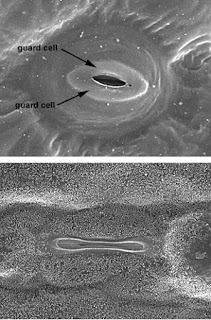
We know, of course, that a major difference between hydroponic growing and soil growing is that soil contains microbes that can break down soil fertilizers for plant use and that these are generally lacking in hydroponic systems. But we do have uses for bacteria. They can exude hormones that enhance plant growth, improve plant response to stress and stomata function.
It is safe to add beneficial bacteria to your system, although it may not be necessary if you’re not killing everything periodically. You should add beneficial bacteria once per week. It should be done after nutrient feeding to avoid bad effects on the developing microbe community. And never again use hydrogen peroxide to fight pathogens. Use their natural enemies.
Some inoculant sets combine microbes that only colonize roots and some that will colonize nutrient solution. If the mix is added to the nutrient, a lot of it will not find a home and will die and decompose. One solution is to add them to the nutrient a few days before it’s time to change nutrient. If nutrient is simply drained, inoculants attached to the roots will survive the change.
One general factor is the effect of nutrients upon beneficial fungi. The fungi are most effective in deficient nutrient environments. Nitrogen and phosphorus, when present in normal target amounts, reduce the colonization of fungi.
You have to trust your maker of microbial inoculant, but make them earn it. At the very least, your maker should commit to a third-party analysis that reports cfu per milliliter of each claimed microbe. CFU means Colony Forming Unit and is a measure of the number of viable bacterial or fungal cells. It is best if you are given actual microscopic counts of viable cells, rather than using a haemocytometer, which counts all cells, living and dead.
But finding such an analysis will be the exception. Few makers offer anything but general statements about containing beneficial bacteria or fungi or both. Some offer one named bacteria, which is fine, because they tell you how much there is and what it might do. Some simply imply that they offer some mix that is intended to dominate the root zone to the detriment of pathogens. Some include only microbes. Some add nutrients supporting those microbes. Some use packaged products only. Some begin with products and continuously grow their inoculant.
I most cases, you won’t know very much at all. You can’t depend on user reviews. Confirmation bias is hard at work in our field more than many others. People are prone to see improvements when there are none. And they are very prone to judge their choice as the best of all choices with no justification other then if was their choice and they believe it worked.
You can in general choose things like Hydroguard with its one proven ingredient. Or you can use something like Great White with an array of microbes. Because the benefits vary among microbes, my feeling is to use the shotgun.
You’re going to find a lot of this rather vague. It is. For all the bold boasts of makers, there is still not a lot known about using beneficial microbes. Even less work has been specific to hydroponics. Clearly, in this war, there’s going to be some cannon fodder and some losses. The net outcome should be beneficial and can have great benefit for people who report chronic root rot problems they have not solved by sterilizing. Inoculants in these cases must be a preventative, not a cure. But when the system is wiped clean by sterilizing, which won’t hold for more than a few hours, inoculants can prevent the resurgence of pathogens who will take advantage of the void.
I believe that without question, we are moving beyond the old appeal of the fantasy of sterile systems and on to something we probably should have immediately recognized, that the biosphere evolved as a unit, plants and their associated microbes, good and bad, and we should not have asked more of methods that striped away a whole empowering aspect of soil culture. With hydroponics, we still have control. And I think it’s not inconceivable that by knowledgeable use of beneficial microbes, along with our nutritional precision, we might actually realize the hope that hydroponics would outperform conventional soil in a way that most growers could grasp.
I normally like to provide some resources for study, but it’s very sparse outside of very finely focused research papers. I find the books to be mostly collections of papers, some that sound interesting and some that frankly seem to be included at a stretch to fill the books, which are usually very expensive. Almost all are authored in India. India and Pakistan where the field appears to be far more advanced, at least academically.